Compare Local Contractors for Antique Furniture Refinishing Services
Compare local contractors for antique furniture refinishing to define project scope, verify experience, and set clear expectations for a successful restoration.
Antique furniture refinishing involves a range of services aimed at restoring and enhancing the beauty of vintage pieces. This work typically includes stripping old finishes, repairing damaged surfaces, and applying new layers of stain or varnish to preserve the piece’s original character. Skilled contractors may also handle delicate details such as re-gluing loose joints or restoring intricate carvings, ensuring the furniture maintains its historical integrity while looking refreshed. Clear communication about the scope of work helps property owners understand what to expect and ensures that the refinishing process aligns with the piece’s age, style, and condition.
Defining the scope of antique furniture refinishing is essential for setting realistic expectations and avoiding misunderstandings. Property owners should specify which parts of the furniture require attention, whether it’s stripping and refinishing entire pieces or focusing on specific areas like surfaces or decorative elements. Outlining the desired finish, level of preservation, and any repair needs helps contractors provide accurate assessments and plan their work accordingly. Documenting these details in writing can serve as a reference throughout the project, ensuring that both parties agree on the work to be performed and reducing the likelihood of disputes or surprises.
When comparing local contractors for antique furniture refinishing, it’s important to evaluate their experience with similar projects and their reputation within the community. Property owners can seek out service providers who have a proven track record with vintage and antique pieces, and who demonstrate a clear understanding of preservation techniques. Reviewing credentials, asking for references, and examining previous work can provide insight into a contractor’s skill level. Additionally, discussing the scope of work, clarifying expectations, and requesting a detailed proposal can help property owners make informed decisions and choose a contractor that aligns with their specific needs and the character of their furniture.
Compare local contractors by outlining your project priorities, verifying experience, and clarifying scope in writing.
- Verify Experience and Expertise - Ensure contractors have relevant experience in antique furniture refinishing to meet project expectations.
- Define Project Scope Clearly - Communicate specific refinishing needs to help contractors provide accurate assessments.
- Compare Local Contractors - Evaluate multiple service providers to identify those with suitable skills and reputations.
- Document Agreements in Writing - Establish detailed project scope and expectations to prevent misunderstandings.

Clearly describe your antique furniture refinishing project to effectively compare local contractors, define scope, verify experience, and set expectations in writing.
- Verify experience with antique furniture refinishing to ensure familiarity with traditional techniques and finishes. - Look for contractors who clearly define the scope of work and specific refinishing services in writing.
- Assess the contractor’s portfolio or references to confirm previous work on similar antique furniture pieces. - Ensure the service provider can accommodate the unique characteristics and delicate nature of antique items.
- Discuss the types of finishes and materials the contractor recommends to match the furniture’s original look. - Clarify expectations for the final appearance and preservation of antique qualities.
- Ensure the contractor provides a detailed written estimate outlining the work process and materials to be used. - Compare scope and approach among different local contractors before making a selection.
- Ask about the techniques used to prevent damage during refinishing, such as proper surface preparation and finishing methods. - Confirm that the service provider prioritizes the preservation and integrity of antique furniture.
- Check that the contractor adheres to industry standards for antique furniture restoration and refinishing practices. - This helps ensure quality work that respects the furniture’s historical value.
Use this to compare contractors, clarify scope, verify experience, and set clear expectations in writing.
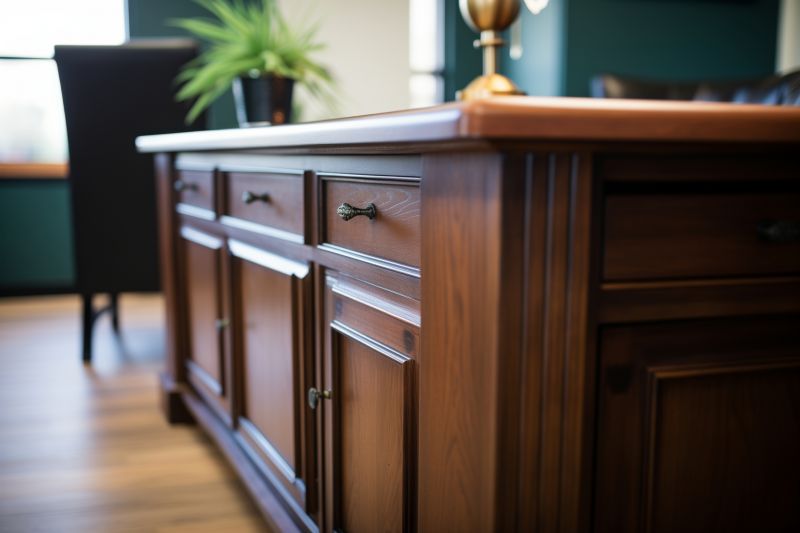
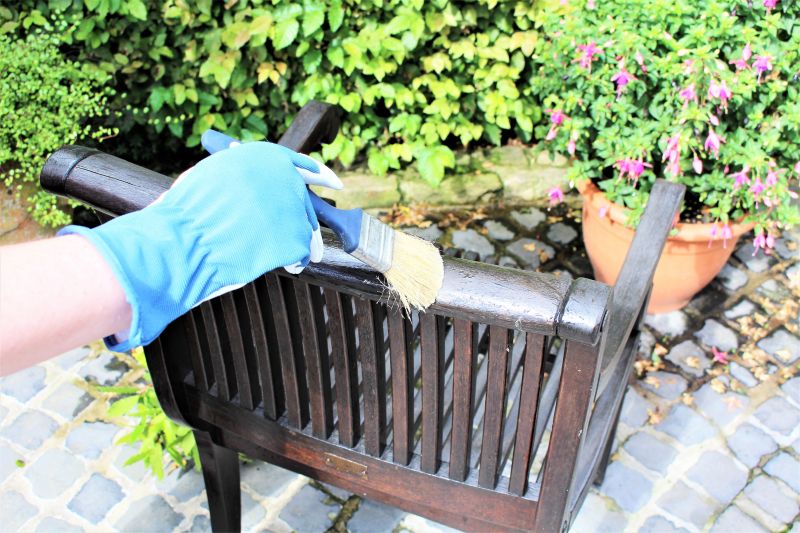

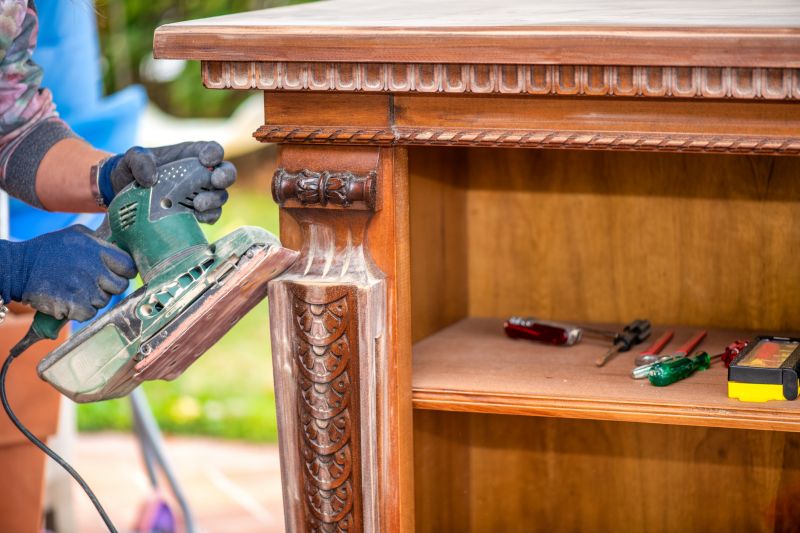
Learn how to compare local contractors for antique furniture refinishing by defining scope, verifying experience, and maintaining consistent expectations.
- Experience and Expertise - Verify the service provider’s experience specifically with antique furniture refinishing projects.
- Scope of Work Definition - Clearly outline the refinishing process, including surface preparation, stain, and finish details.
- Material and Finish Selection - Discuss and agree upon the types of materials, stains, and finishes to be used during refinishing.
- Written Agreement - Ensure all project details, expectations, and responsibilities are documented in a formal agreement.
- Communication and Clarification - Confirm the service provider’s approach to addressing questions and clarifying project scope throughout the process.
When evaluating contractors for antique furniture refinishing, it is important to consider their experience with similar projects. Homeowners should seek out service providers who have a proven track record working with antique or delicate furniture pieces. Asking about the types of furniture they have refinished and requesting examples of past work can help gauge their familiarity with the specific techniques and materials required for antique restoration. An experienced contractor will understand the nuances of preserving antique integrity while achieving a high-quality finish.
A clear, written scope of work is essential when comparing contractors. This document should outline the specific refinishing steps to be taken, including surface preparation, sanding, staining, finishing, and any repairs needed. A detailed scope helps prevent misunderstandings and ensures that both parties have aligned expectations. Homeowners are encouraged to request a comprehensive description of the process and confirm that all aspects of the project are covered in writing before proceeding.
Verification of a contractor’s qualifications begins with checking references and previous client feedback. Homeowners can ask for contact information of past clients who had similar antique furniture refinishing projects completed. Additionally, seeking out reviews or testimonials can provide insights into the contractor’s reliability, craftsmanship, and professionalism. It is also helpful to inquire about the contractor’s familiarity with specific antique styles and finishes, ensuring they possess the appropriate experience for the particular piece.
When comparing options, homeowners should focus on the contractor’s communication and ability to define the scope in detail. It is beneficial to evaluate how well service providers articulate their process, answer questions, and set clear expectations in writing. By reviewing the scope of work, verifying relevant experience, and assessing the professionalism of communication, homeowners can make informed decisions without relying on price alone. This approach helps identify service providers who are capable of delivering quality refinishing that respects the character of antique furniture.
Ask contractors to provide written scope details to ensure clarity and consistency throughout the refinishing project.
- Experience with Antique Furniture - How much experience do the service providers have specifically refinishing antique furniture?
- Scope of Work - What specific refinishing techniques and finishes are included in the service providers' scope of work?
- Material and Technique Compatibility - How do the contractors ensure their methods are appropriate for the type and age of the furniture?
- Work Process and Expectations - What steps do the service providers follow to prepare, refinish, and finish antique pieces?
- Written Agreement - Can the scope of work, materials, and expectations be clearly outlined in a written contract?
How can I compare contractors for antique furniture refinishing? To compare local contractors, review their experience with similar projects, ask for references, and verify their work quality through portfolios or reviews. Ensuring they understand your specific furniture style helps in making an informed choice.
What should I clarify when defining the scope of refinishing work? Clearly outline the furniture pieces involved, the desired finish or restoration details, and any specific techniques or finishes you prefer. Writing these details down helps ensure expectations are aligned.
How can I verify a contractor's experience with antique furniture? Ask about their past projects involving antique furniture, request references or examples of completed work, and inquire about their familiarity with traditional refinishing techniques relevant to your pieces.
Why is it important to set expectations in writing? Documenting the scope, materials, and finish details helps prevent misunderstandings, provides a clear reference for both parties, and ensures that the refinishing work aligns with your preferences.
What questions should I ask contractors about their process? Inquire about their approach to antique furniture, the types of finishes they use, their experience with specific wood types, and how they handle restoration challenges to gauge their expertise.
How do I ensure the contractor understands my antique furniture's value? Share detailed descriptions of the furniture's history and significance, and communicate your preservation goals clearly to help the contractor tailor their refinishing approach accordingly.
This page has provided an overview of how to find and compare contractors who specialize in antique furniture refinishing. Visitors learned the importance of clearly defining the scope of work, verifying the experience of service providers, and setting expectations in writing to help ensure a smooth process. Utilizing the quote form can assist in exploring different local contractors and making informed choices based on the options available.
To connect with qualified service providers capable of handling antique furniture refinishing, consider using the quote form to compare local contractors. Gathering multiple proposals allows for a better understanding of the options in the area and helps in selecting the right professional for the project. Taking the time to evaluate and communicate clearly can support a successful outcome.